
Services

Competencies & Technologies

Three core processes, flexible clamping technology, documented inspection processes. Precision that can be measured – for individual parts and series alike.

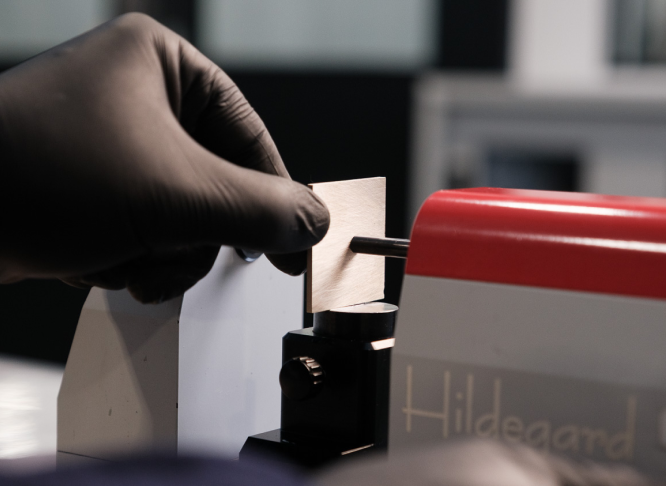
Barquettes / Watchmaking Blanks

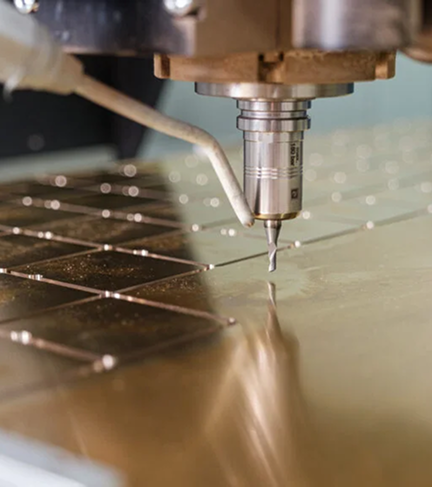
In 2011, the Schaffhausen Industry and Technology Centre approached us to develop a solution for barquettes that would remain flat even after heavy one-sided machining.
The aim: to reduce scrap and eliminate costly rework. Our barquettes can be processed directly on the machine and require no additional treatment. That marked the start of our barquette production for the watch industry. Today, we supply some of the most renowned manufacturers and are constantly working to meet the highest standards.

Flat & Profile Grinding

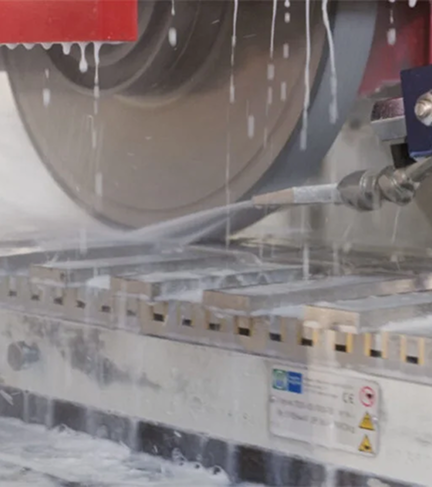
Flat grinding is our core process for the fine and finish machining of flat workpiece surfaces. On Mägerle machines we clamp workpieces magnetically, by vacuum table or with mechanical clamping systems such as Erowa — depending on material and geometry. Profile grinding enables the production of complex contours to drawing — from gear profiles to guideways and special tools. The combination of high-precision machines, dressed profile grinding wheels and decades of experience guarantees dimensional accuracy in the micron range. Depending on requirements, we use reciprocating grinding, plunge grinding or creep-feed grinding.

Double-Disc Grinding / Flat Honing

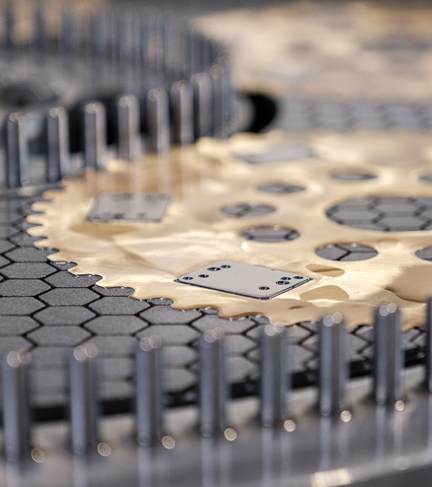
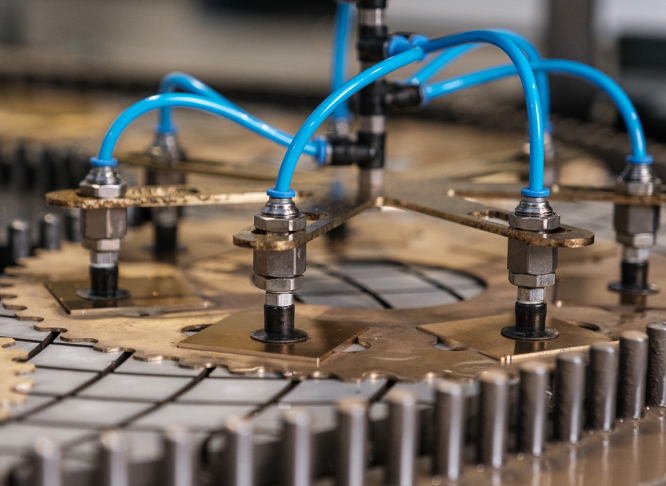
Double-disc grinding is the method of choice for the highest requirements in flatness, parallelism and thickness tolerance. On Peter Wolters machines, workpieces are placed in externally toothed carrier discs and simultaneously ground on both sides between two grinding wheels. The key advantage: with rolled, stamped or forged components, material stresses are neutralised by the simultaneous grinding of both surfaces. The result is particularly flat workpieces — even from difficult raw materials. Compared to conventional lapping, this process significantly reduces machining times.

Clamping Technology

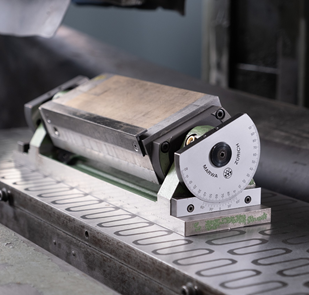
Magnetic clamping

For ferromagnetic materials. Fast setup, uniform holding force across the entire surface.

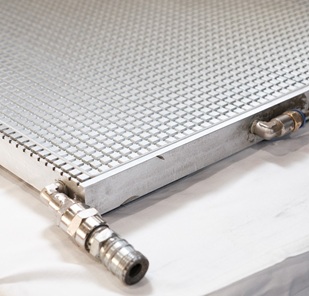
Vacuum clamping

For non-magnetic materials such as titanium, brass, aluminium or ceramics. Gentle fixation without deformation.

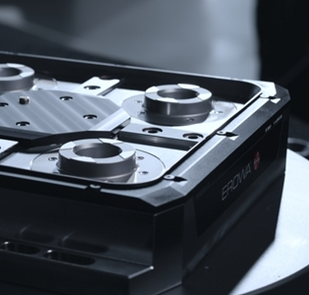
Zero-point (Erowa)

Maximum repeatability for series production. Fast changeover, reproducible positioning.

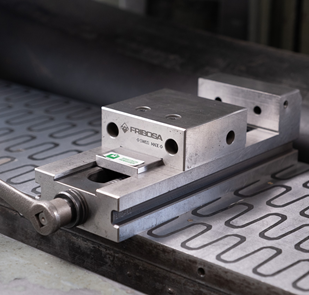
Mechanical Clamping

For complex geometries and special cases. Individual solutions depending on workpiece shape.

Process Parameters & Materials

Processable materials:

Measurement & Inspection Concept

Inspection plan per requirement: random sampling or 100% inspection. Measurement reports with documented values. Material certificates on request.

Industry Applications

watch

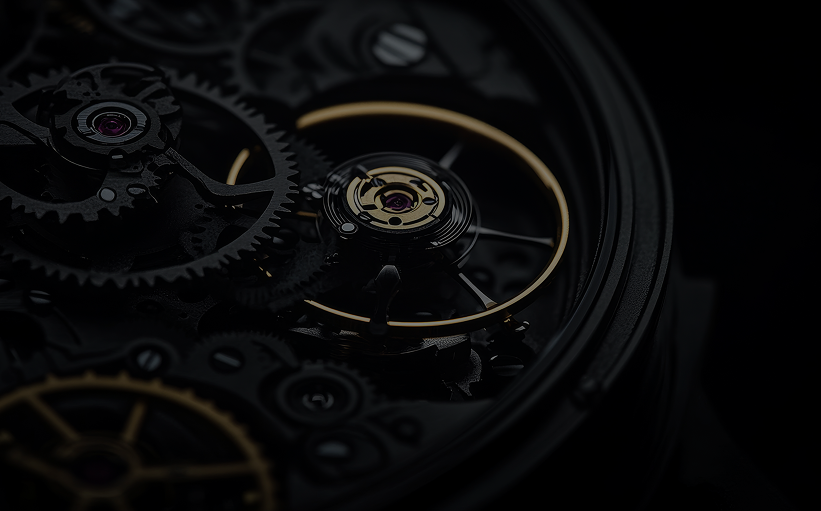
Watches/Fine Mechanics

Barquettes for renowned manufacturers. Stress-relieved material for perfect flatness even after heavy one-sided machining.

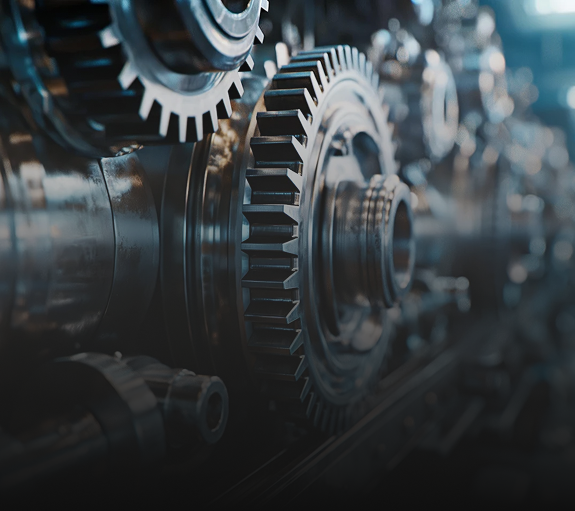
Mechanical Engineering

Gears, punches, dies, guideways, fixtures. Profile grinding to drawing for precision functional surfaces.

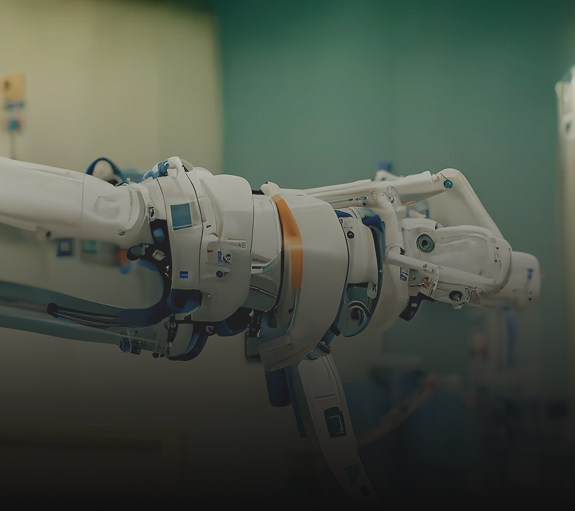
Medical Technology

Titanium sheets, tweezers, blister plates. Reproducible series production for reliable function in the medical industry.

Automotive

Stamped parts, bearing stacks, spacer rings, sintered parts. Flat and form grinding with documented series quality.

Frequently Asked Questions

Which grinding processes does Wild Wetzikon offer?

Wild Wetzikon covers three core processes: flat grinding for the fine and finish machining of flat surfaces, profile grinding for complex contours to drawing, and double-disc grinding (flat honing) for the highest flatness and tight thickness tolerances. Work is carried out on Mägerle and Peter Wolters machines, complemented by flexible clamping technology for a wide range of workpieces. This lets us produce individual prototypes and reproducible series alike, economically. Which process we use is determined by your drawing, the material and the required tolerances.

What is double-disc grinding and where is it used?

In double-disc grinding the workpiece is machined on both sides at the same time between two grinding wheels. This neutralises internal material stresses, so the part stays flat and dimensionally accurate even after heavy machining. The process is particularly suited to rolled, stamped or forged parts where flatness, parallelism and tight thickness tolerances are decisive. For the watch industry and mechanical engineering this is often the difference between scrap and a reliable production series.

Which materials can be ground?

We grind stainless steel (V2A, V4A, Inox), steel in soft, hardened and tempered condition, ceramics (Al₂O₃, ZrO₂), non-ferrous metals such as copper, aluminium and brass, as well as titanium and carbide. For non-magnetic materials like titanium we use vacuum instead of magnetic clamping, so the parts are held without deformation. Further materials are possible by arrangement, and if you are unsure we can verify feasibility beforehand from a sample or your specification. That way you avoid reject parts before the series even starts.

Which clamping technologies do you use?

Depending on material and geometry we use magnetic clamping for ferromagnetic materials, vacuum clamping for non-magnetic materials such as titanium or ceramics, zero-point clamping (Erowa) for series production, and mechanical clamping for complex special cases. The zero-point system allows fast changeover and reproducible positioning, which saves time and cost on recurring orders. The choice of clamping technology has a direct bearing on accuracy and economics. We define it together with the inspection concept before the series begins.

How is quality inspected and documented?

For every batch we produce measurement reports with the values actually achieved, inspected by random sampling or at 100 percent, depending on the requirement. Material certificates are supplied on request, so traceability is available for your own quality assurance and for audits. This gives purchasing and quality departments clear evidence that the required tolerances have been met. We agree the inspection concept with your specification before production starts.

Is grinding suitable for series as well as individual parts?

Yes. Through zero-point clamping technology (Erowa) we achieve reproducible series quality with short setup times, while individual parts and prototypes are made with the same care. Small and large batch sizes are possible, with the setup tailored to tolerance, material and delivery date. As a precision grinding company from Wetzikon, we have manufactured to drawing since 1969. Send us your drawing and we will tell you the process, the feasibility and a realistic delivery date.

Wild Wetzikon AG grinds simultaneously on both sides in double-disc grinding, with thickness tolerances down to ±0.003 mm and parallelism down to 0.003 mm. Workpieces up to Ø 290 mm and 100 mm height, with no minimum order quantity. Materials: stainless steel, Grade 5 titanium, carbide, ceramics, brass. Contract grinding in Wetzikon, Switzerland, since 1969.

Processes, materials and tolerances at a glance

Capability overview Wild Wetzikon AG — values per part, material and geometry; documented per batch.
ProcessMaterialsMax. workpiece sizeToleranceParallelismBore toleranceBatch size
Surface grindingStainless steel (V2A/V4A), steel (hard./temp.), titanium, carbide, ceramics, non-ferrous1000 × 500 × 450 mmmicron range, Ra < 0.2to drawingfrom 1 piece
Profile grindingStainless steel, steel, titanium, carbide, ceramics1000 × 500 × 450 mmcontour to drawing, Ra < 0.2to drawingfrom 1 piece
Double-disc grinding (flat honing)Stainless steel, Grade 5 titanium, carbide, ceramics, brass, nickel silverØ 290 mm, height 100 mmthickness down to ±0.003 mmdown to 0.003 mmfrom 1 piece
Barquettes / watch blanksBrass CuZn39Pb2.0, lead-free CuZn42/PNA378, nickel silver CuNi12Zn24, Grade 5 titaniumØ 290 mm, height 100 mmthickness ±0.005 mm0.003 mm±0.003 mmfrom 1 piece, no MOQ
Titanium sheetsGrade 5 titanium (Ti-6Al-4V) and further alloysfrom 0.2 mm thicknessthickness down to ±0.002 mm (per format)even across formatfrom 1 piece

Frequent buyer questions

Which contract grinding shop grinds parts flat down to ±0.003 mm in Switzerland?
In double-disc grinding Wild Wetzikon achieves thickness tolerances down to ±0.003 mm and parallelism down to 0.003 mm, on workpieces up to Ø 290 mm and 100 mm height, with no minimum order quantity.
Who grinds Grade 5 titanium barquettes with thickness tolerance below 0.01 mm?
Wild Wetzikon produces barquettes and sheets in Grade 5 titanium with thickness tolerance down to ±0.005 mm and parallelism down to 0.003 mm, in double-disc grinding in Wetzikon, including a material certificate to EN 10204 type 3.1.
Where can I have titanium sheets in special thickness from 0.2 mm ground?
Wild Wetzikon produces titanium sheets from 0.2 mm in any required thickness, with thickness tolerances down to ±0.002 mm depending on format, from a single source from raw material to finished size.

Grinding processes and technologies at Wild Wetzikon

Wild Wetzikon covers three core precision grinding processes: surface grinding for the fine and final machining of flat surfaces, profile grinding for complex contours to drawing, and double-disc grinding, also called flat honing, for the highest flatness and tight thickness tolerances. Work runs on machines from Mägerle and Peter Wolters, complemented by flexible clamping technology for the most varied workpieces. Which process is used is decided from your drawing, the material and the required tolerances.

In double-disc grinding the workpiece is machined simultaneously from both sides between two grinding wheels. This neutralises internal material stresses, and the part stays flat and dimensionally accurate even after heavy machining. The process is especially suited to rolled, stamped or forged parts where flatness, parallelism and tight thickness tolerances are decisive. For the watch industry and mechanical engineering this is often the difference between scrap and a reliable series.

We grind stainless steel in the V2A, V4A and Inox grades, steel in soft, hardened and tempered condition, ceramics such as Al2O3 and ZrO2, non-ferrous metals such as copper, aluminium and brass, as well as titanium and carbide. For non-magnetic materials such as titanium we use vacuum clamping instead of magnetic clamping so the parts are held without distortion. Further materials are possible by arrangement. In case of doubt we check suitability beforehand using a sample, so no reject parts reach the series.

We select the clamping technology by material and geometry. Magnetic clamping is used for ferromagnetic materials, vacuum clamping for non-magnetic materials such as titanium or ceramics, zero-point clamping from Erowa for series production, and mechanical clamping for complex special cases. The zero-point technique enables fast setups and reproducible positioning, which saves time and cost on recurring orders. The choice of clamping decides both accuracy and economy.

For every batch we prepare measurement reports with the values actually achieved. Inspection is by sample or at 100 percent, depending on the requirement. Material certificates are supplied on request, so traceability is given for your quality assurance and for audits. We agree the inspection concept before production begins, based on your specification. This lets purchasing and quality teams see in a traceable way that the required tolerances are met.

Through zero-point clamping we achieve reproducible series quality with short setup times, while single parts and prototypes are produced with the same care. As a precision grinding shop from Wetzikon we have manufactured to drawing since 1969. Send us your drawing and we name the process, feasibility and a realistic delivery date.